For most Americans, the first sign of a blood pressure problem comes as a shock. You feel fine. Maybe you exercise. Maybe you eat well. And then, during a routine check-up, the number on the screen tells a completely different story.
It's a scenario that plays out millions of times each year across the country — and one that leaves many people frustrated, anxious, and searching for answers that go beyond the standard advice of "cut your salt and take this pill."
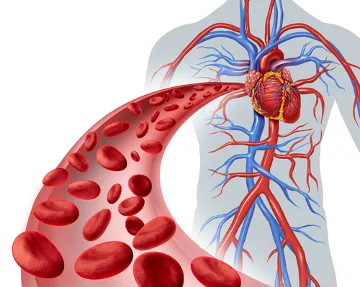
The Silent Problem That Affects 1 in 2 Adults
According to the American Heart Association, nearly half of all American adults have high blood pressure — and many don't even know it. It's called the "silent killer" for a reason: it often has no obvious symptoms until the damage is already underway.
What makes it even more frustrating is that it doesn't discriminate. You can be thin, active, and health-conscious, and still find your numbers consistently elevated. Genetics, stress, sleep quality, and inflammation all play a role — and for many people, lifestyle changes alone aren't enough to move the needle.
"I don't smoke, I don't drink, I go to the gym five days a week. And my doctor still told me my numbers were too high. I felt like my own body was working against me." — Anonymous forum post, cardiovascular health community
This sense of helplessness is remarkably common. Studies show that even when patients follow dietary guidelines like reducing sodium, the results can be inconsistent and slow to appear — leading many to feel like they're doing everything right with nothing to show for it.
The Side Effect Problem Nobody Talks About
For those who turn to conventional options, the journey often comes with a new set of challenges. Ankle swelling. Dizziness. A racing heart that makes you wonder if the solution is worse than the problem. Fatigue that turns a productive afternoon into a blur.
These are not rare complaints. They are some of the most commonly reported experiences among people managing their blood pressure through standard approaches — and they're a major reason why so many people begin looking for alternatives.
"I felt like a different person. Not in a good way. I couldn't think straight, I was exhausted all the time, and my ankles looked like balloons." — Patient account, health discussion forum
It's not about being anti-science or rejecting modern approaches. It's about wanting a complete picture — one that includes what nature has already provided, backed by real research.
What Researchers Are Finding About Honey and Cardiovascular Health
Honey has been used in traditional wellness practices for thousands of years — but only recently has modern science begun to understand exactly how it may support the cardiovascular system.
A 2022 meta-analysis published in Nutrition Reviews, which examined data from multiple controlled clinical trials, found that honey consumption was associated with modest but meaningful improvements in several cardiometabolic markers, including fasting blood glucose, total cholesterol, and LDL cholesterol — all of which play a role in overall heart health.
What's particularly interesting is the emerging research on how certain types of raw, unprocessed honey interact with nitric oxide production in the body. Nitric oxide is a molecule that helps blood vessels relax and dilate, supporting healthy blood flow — a key factor in maintaining healthy blood pressure levels.
Key Research Findings
Antioxidant Activity: Raw honey contains flavonoids and phenolic compounds that have demonstrated antioxidant properties in peer-reviewed studies, potentially supporting the health of blood vessel walls.
Nitric Oxide Support: Certain honey varieties have been shown to support nitric oxide bioavailability, which plays a role in vascular relaxation and healthy blood flow.
Anti-Inflammatory Properties: Chronic low-grade inflammation is increasingly recognized as a contributing factor to cardiovascular challenges. Honey's natural anti-inflammatory compounds are the subject of ongoing research.
Why Age 40 Seems to Be a Turning Point
If you're wondering why this matters more after 40, the answer lies in biology. As we age, blood vessels naturally lose some of their flexibility. The endothelium — the thin layer of cells lining the inside of every blood vessel — becomes less efficient at producing nitric oxide.
This means blood vessels don't relax as easily, blood flow meets more resistance, and the heart has to work harder to push blood through the system. It's a gradual process, but it accelerates after 40 — which is exactly why so many people in this age group find themselves suddenly dealing with numbers they didn't expect.
For women, the shift can be even more pronounced. Hormonal changes during perimenopause and menopause can influence vascular function, and many women who had consistently healthy readings their entire lives find their numbers climbing in their late 40s and 50s.
What a Complete Natural Approach Actually Looks Like
The research on honey is promising, but the most encouraging findings come from studies that look at honey as part of a broader natural strategy — not as a standalone solution.
Several compounds that have shown cardiovascular support potential in published studies include:
Natural Compounds Under Study
Beetroot and Dietary Nitrates: Multiple clinical trials have demonstrated that dietary nitrates can support nitric oxide levels in the body, which helps maintain healthy blood vessel function.
CoQ10: This naturally occurring compound plays a role in cellular energy production and has been the subject of numerous studies examining its relationship to cardiovascular health.
Garlic Extract: Aged garlic extract has been studied for its potential to support healthy blood pressure levels, with several randomized controlled trials showing encouraging results.
Hibiscus: Clinical trials have examined hibiscus tea consumption and found associations with modest improvements in blood pressure readings.
The key insight from the research is that these compounds may work through complementary mechanisms — supporting nitric oxide production, providing antioxidant protection, reducing inflammatory markers, and supporting the overall health of the vascular system.
The Emotional Weight of Living with High Blood Pressure
What often gets lost in the clinical discussion is the emotional burden. For many people, elevated blood pressure isn't just a number — it's a constant source of anxiety that colors every aspect of daily life.
Will this headache turn into something worse? Is it safe to go for a run? Should I be worried about this chest tightness? Every meal becomes a calculation, every stressful moment a potential trigger.
"I used to love playing basketball with my son on weekends. After my diagnosis, I was afraid to even raise my heart rate. I felt like I was watching my own life from the sidelines." — Member of a cardiovascular support group
This kind of fear-driven lifestyle restriction is incredibly common — and it's one of the reasons why people are so eager to find approaches that help them feel more in control. Not a magic solution. Not an overnight fix. Just something that makes them feel like they're actively supporting their own health, based on real evidence.
What You Can Do Today
Understanding your options is the first step. If you're over 40 and you've been concerned about your blood pressure — whether you've been told your numbers are elevated, or you simply want to be proactive — learning about the latest research on natural cardiovascular support is time well spent.
A detailed video presentation has been put together that walks through the science behind the honey-based approach, explains how it works alongside the body's natural processes, and shares real experiences from people who have incorporated it into their daily routine.
It's not a sales pitch. It's an in-depth look at what the research shows, who it may be most relevant for, and how to make an informed decision about your own cardiovascular health.